

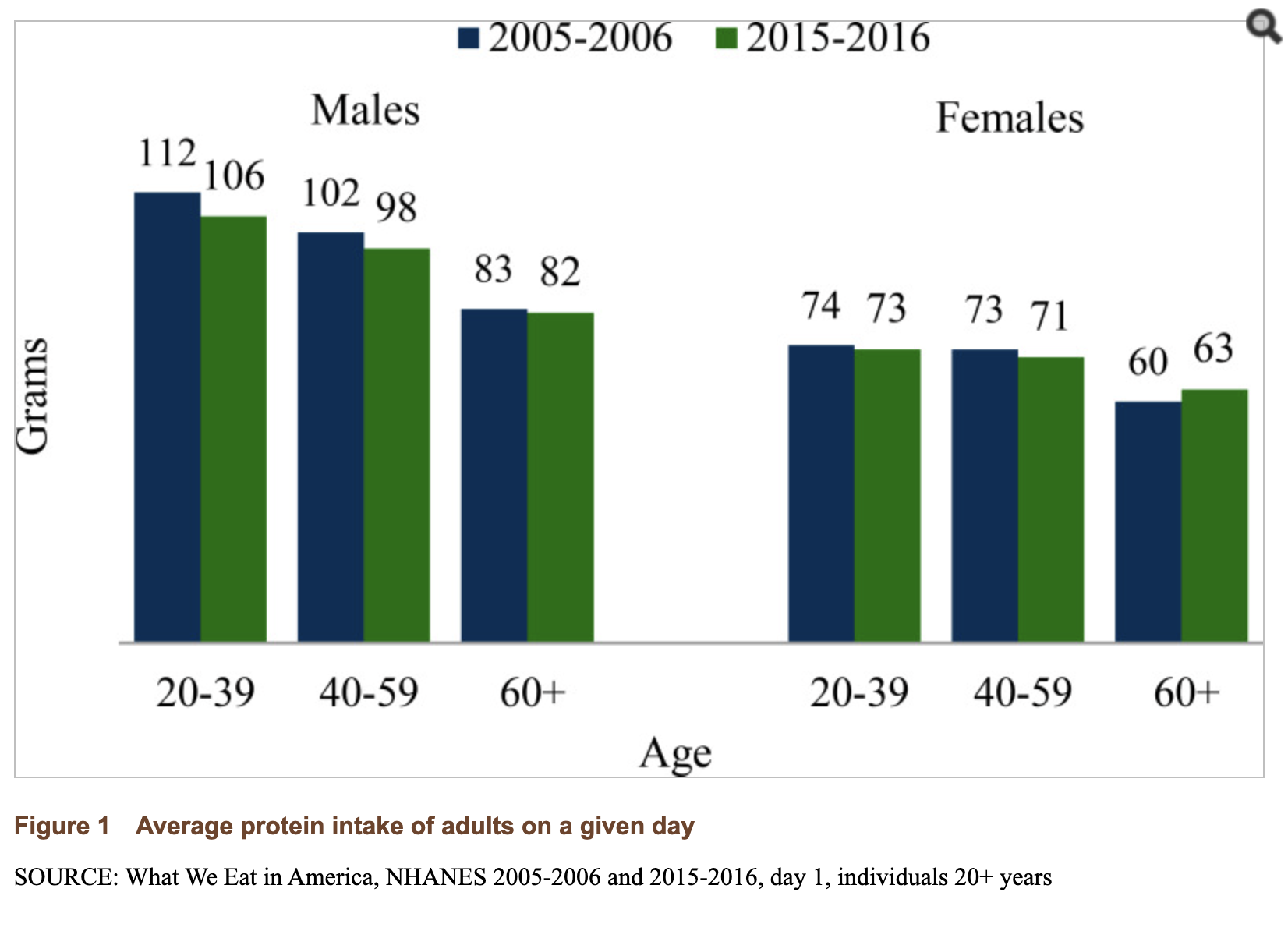
How to Calculate Protein Intake
Protein provides the amino acid backbone for synthesizing neurotransmitters, hormones, enzymes and remodeling the mitochondrial and contractile proteins that make ATP. Protein has a high thermic effect increasing energy expenditure during digestion and supports muscle-driven glucose disposal efficiently.
There's a lot of confusion around how much to eat so we wanted to share what happens if you under-eat or over-eat protein along with a safe and practical way to calculate it for yourself.

Nose-to-Tail Eating
Eating nose-to-tail is healthier than muscle meat alone because organs, skin, and connective tissue provide far higher concentrations of vitamins (A, B12, K2, folate), minerals, and unique cofactors like CoQ10 that muscle meat largely lacks.
It also balances muscle meat’s methionine load with glycine- and proline‑rich collagenous cuts, supporting connective tissue, lowering homocysteine stress, and promoting more complete amino acid and micronutrient balance long term.
Progesterone
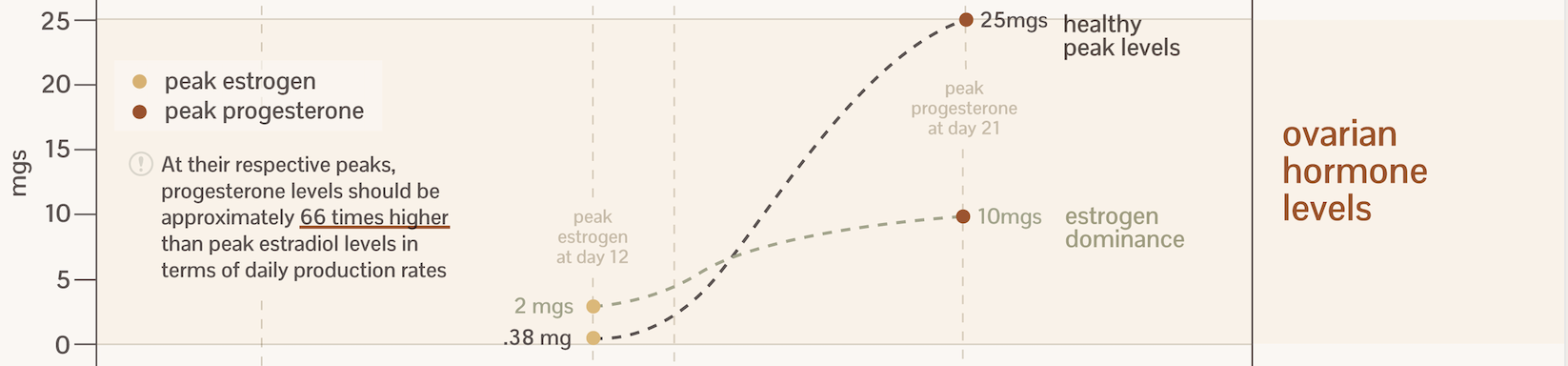
Low progesterone is the most common hormonal issue for women, especially in the luteal phase, and is frequently implicated in problems like irregular cycles, PMS, infertility, and early pregnancy loss.
Progesterone also supports thyroid function by enhancing conversion of T4 to T3 and improving tissue sensitivity to thyroid hormone, so when progesterone is low, effective thyroid signaling drops and metabolic rate often falls, showing up as fatigue, cold intolerance, weight gain, and sluggish metabolism.
Estrogen
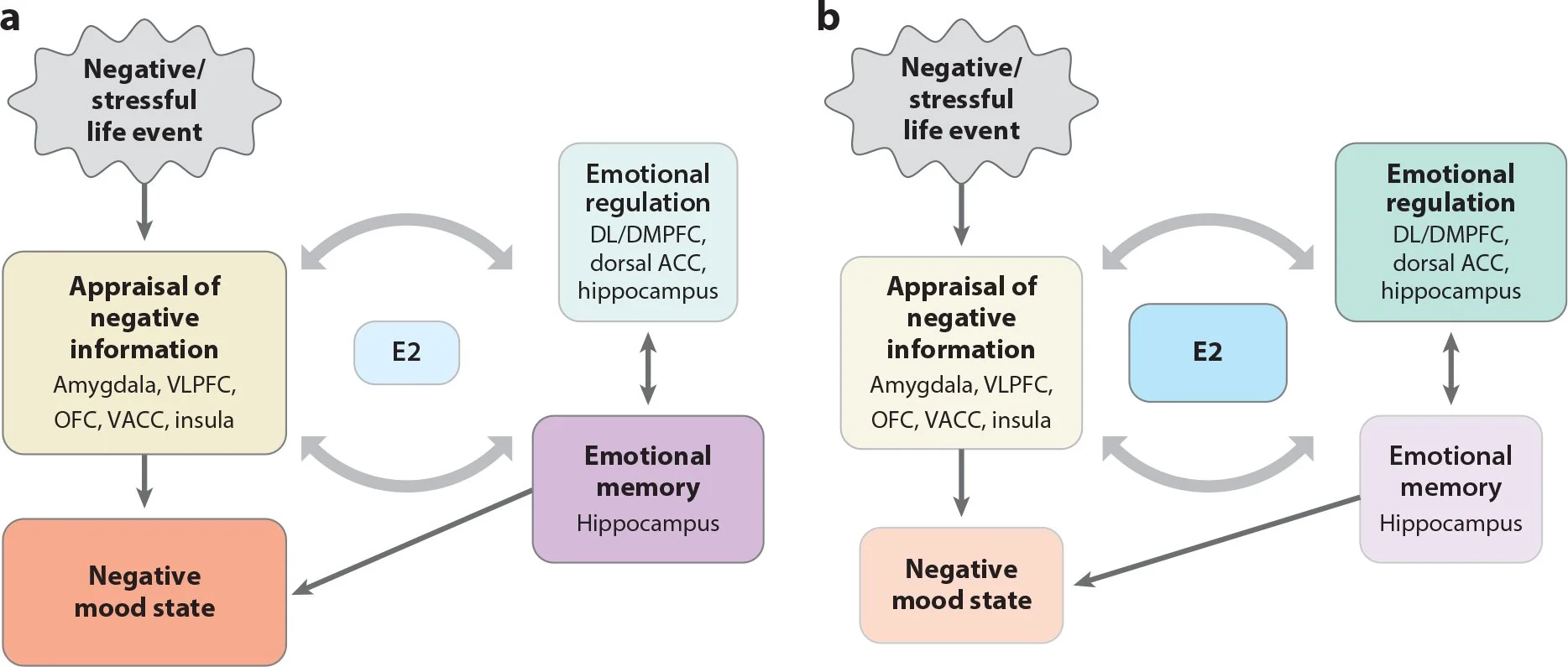
Estrogen in excess or relative dominance to progesterone can impair metabolism by promoting fat storage, altering glucose and insulin signaling, and contributing to features of metabolic syndrome like weight gain, insulin resistance, and unfavorable fat distribution.
It also interacts with the brain’s stress circuitry and HPA axis, amplifying stress reactivity and mood vulnerability when levels or receptor signaling are imbalanced, which can increase perceived stress and dysregulate energy homeostasis.

Sauna
Regular sauna use is associated with improved cardiovascular health, better circulation, reduced blood pressure, and lower long‑term risk of heart disease and all‑cause mortality, with effects similar to moderate aerobic exercise on the heart and blood vessels.
It can also help reduce stress and improve mood, increase detoxification, and may support brain health and longevity through heat‑induced adaptations in the cardiovascular, immune, and nervous systems.
Fat Loss
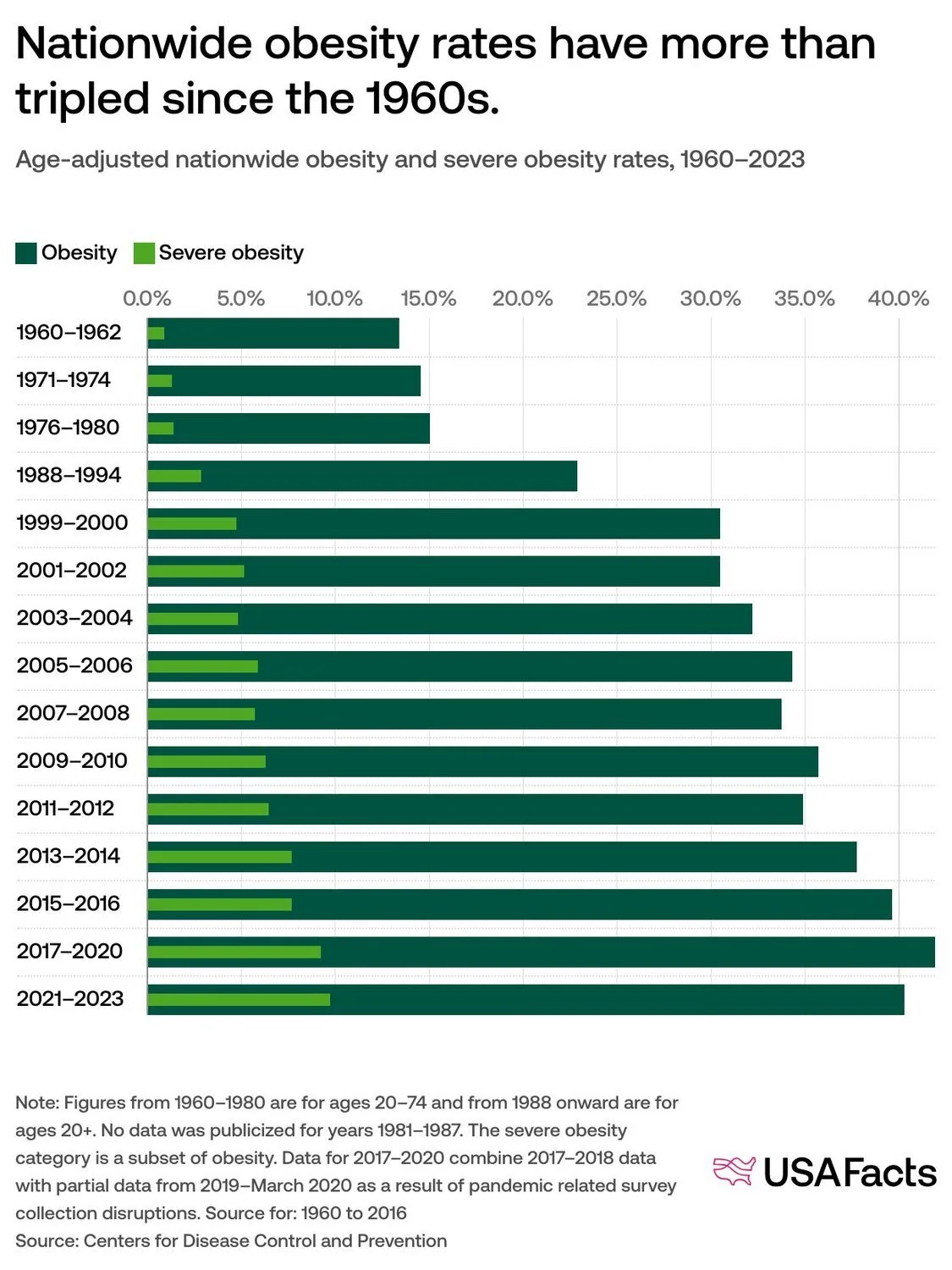
Managing stress hormones like cortisol is crucial for fat loss because elevated cortisol promotes abdominal fat storage, impairs metabolism, and increases cravings for high-calorie foods.
Understanding the Randle cycle helps optimize fat and carbohydrate utilization, while incorporating the right types and amounts of movement enhances fat burning by improving insulin sensitivity and hormonal balance.

Aluminum
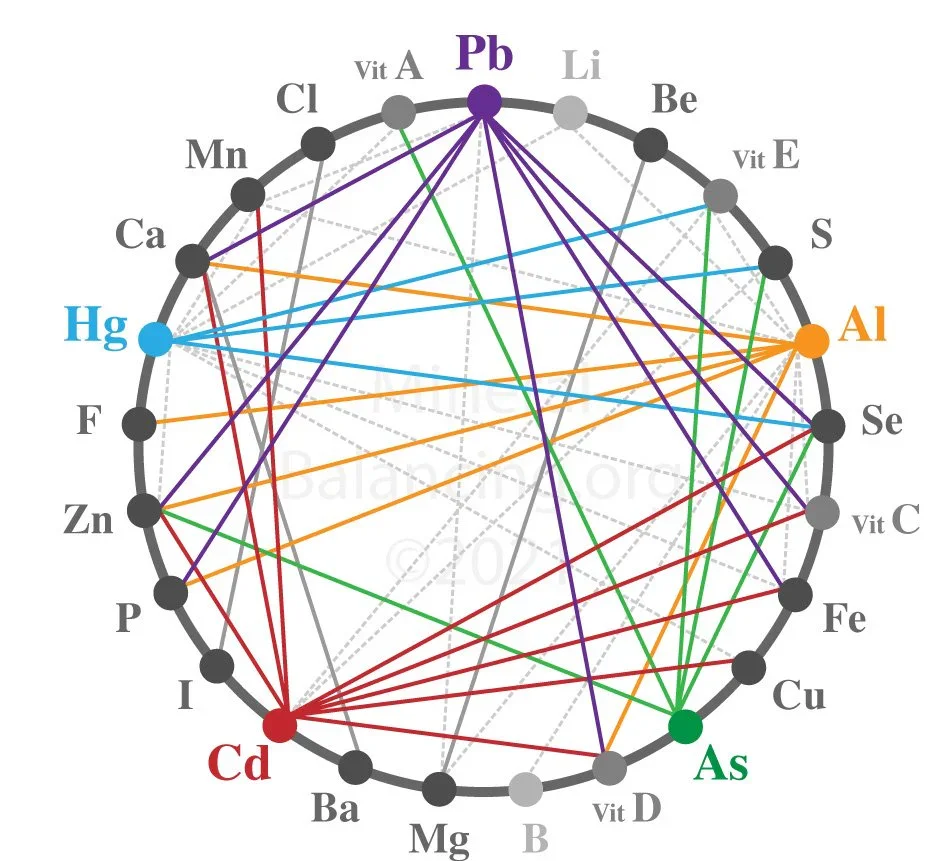
Aluminum is present everywhere in modern environments and in this video we explore evidence linking aluminum exposure to damaging effects on the brain, including memory loss, neurodegeneration, and increased risk for diseases like Alzheimer’s.
Aluminum accumulates in neural tissues, bone, lung and connective tissue with widespread health consequences so it’s important to detoxify it.
Toxins | Core Series, ep 5
Toxins interfere with energy production by damaging mitochondria, the cell’s “power plants,” disrupting the electron transport chain, depleting essential cofactors like NAD⁺, and generating oxidative stress that impairs ATP synthesis.
This leads to reduced cellular energy output, compromised signaling, and increased fatigue or metabolic dysfunction throughout the body.

Micronutrients | Core Series, ep 4
Micronutrients, including essential vitamins and minerals, are critical for energy production because they act as cofactors and structural components in enzymatic reactions that convert food into ATP, the body’s usable energy form.
Without adequate micronutrient intake, cellular energy metabolism becomes inefficient, often resulting in fatigue and reduced physical and mental performance.

Calories and Macronutrients | Core Series, ep3
Adequate calories and the right macronutrient ratios maintain thyroid and mitochondrial activity, allowing efficient energy production and a strong metabolic rate .
Balanced intake of carbohydrates, proteins, and fats prevents hypoglycemia-induced cortisol and adrenaline surges, which reduces chronic stress hormone output and supports hormonal stability.

Types of Fat | Core Series, ep2
There are four main types of dietary fat: saturated, trans, monounsaturated, and polyunsaturated, each differing by their chemical structure and health impact.
Choosing mostly saturated fats supports energy production and mitochondrial membranes by reducing inflammation and electron flow, while limiting polyunsaturated fats (especially linoleic acid) lowers the risk of chronic disease.

Follow the Sun | Core Series, ep1
Exposure to blue light boosts cortisol and suppresses melatonin, leading to disrupted circadian rhythms and poor sleep. Additionally, the earth's geomagnetic field also influences human biological rhythms through subtle biophysical signaling. Learning to harmonize with light and native EMF is the first layers of natural health.

Collagen | In the Kitchen
Collagen is a vital protein that gives structure and strength to skin, joints, and connective tissues, supporting mobility and a youthful appearance. Regular collagen intake can promote skin hydration, elasticity, and joint resilience as you age.

Dairy | In the Kitchen
Dairy products are rich in protein, calcium, and essential vitamins and minerals that support strong bones, healthy muscles, and immune function. Regular consumption of dairy can help maintain bone density, promote growth, and provide key nutrients often lacking in other foods.

Fats | In the Kitchen
Fats are essential for energy, cell structure, hormone production, and the absorption of vital vitamins like A, D, E, and K. Including healthy fats in your diet supports cardiovascular, brain, and metabolic health for long-term wellness.

Protein | In the Kitchen
Protein is essential for building and repairing every cell and tissue in your body, including muscles, skin, and organs. Adequate protein intake also supports immune health, metabolism, and hormone regulation for optimal well-being.